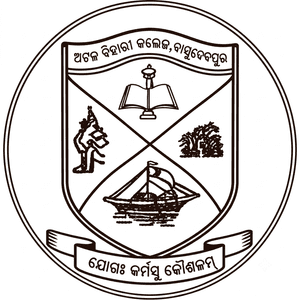
The College Crest
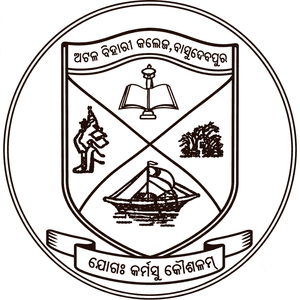
The emblem of our institution embodies its aims, values, heritage and intellectual spirit.
History of the Crest
The creation of the college crest dates back to the formative years of the institution. In January 1968, the Ex-Principal, Captain G. N. Mishra, proposed the idea of designing a formal college crest during a Staff Council meeting. The staff members supported the proposal, recognizing the need for a symbol that would represent the essence and vitality of the college. The final design was given its adopted form by a renowned artist, beautifully merging the aims, objectives, and heritage of the institution into a cohesive emblem.
Symbols Used in the Crest
Deconstructing the Emblem
The College Name
The crest features the name of the college at the top, declaring the identity and unity of the institution.
The Open Book & Burning Lamp
The open book with the burning lamp symbolises enlightenment. The book represents study and research, while the burning lamp represents knowledge, illumination of the mental horizon, the realm of wisdom, diffusion of knowledge, and the creative impulse.
The Boat & Sails
The boat with sails on the sea symbolises the maritime glory of Orissa, in which the district of Bhadrak, then a part of erstwhile Balasore, played a significant role. It also represents the indomitable urge of human beings for adventure.
The Ripe Paddy Field
The ripe paddy field represents the agricultural richness of the area. It also symbolises the agrarian character and topography upon which modern civilisation is built.
The Microscope
The scientific instrument—the microscope—represents general knowledge, education, advancement in science, and technological progress.
The Sanskrit Motto
The bottom of the crest contains part of a Sanskrit Sloka from the Bhagavad Gita: योगः कर्मसु कौशलम् (Yogaḥ Karmasu Kauśalam), which translates to “Yoga is the skill of work.” This serves as a guiding principle of work in life, indicating that a person has the right to work but should not aspire for the result.
Historical source: College Calendar, 2017–18.